
Still needing to wrap my head around SwiftUI, I like the premise of this upcoming book.
A new book from the objc.io team that aims to explain how you’ll have to rethink view construction, updates, layout, and animations with SwiftUI.
iOS Dev Weekly
Makin’ software.
Still needing to wrap my head around SwiftUI, I like the premise of this upcoming book.
A new book from the objc.io team that aims to explain how you’ll have to rethink view construction, updates, layout, and animations with SwiftUI.
iOS Dev Weekly
Yes, we’re developers, and sometimes we prefer the command line. But simctl is a party cryptic way to control the iOS simulator on your Mac. This guy Paul Hudson has put together a nice Mac UI to tame the simulator.
Thank you, Paul. 🤟 (And where do these people even find the time? 🤷🏻♂️). I love his can-do developer attitude, btw:
simctl is a great tool for controlling the iOS simulator, but I find it a little hard to use. So, I wrote Control Room.
Via iOS Dev Weekly.
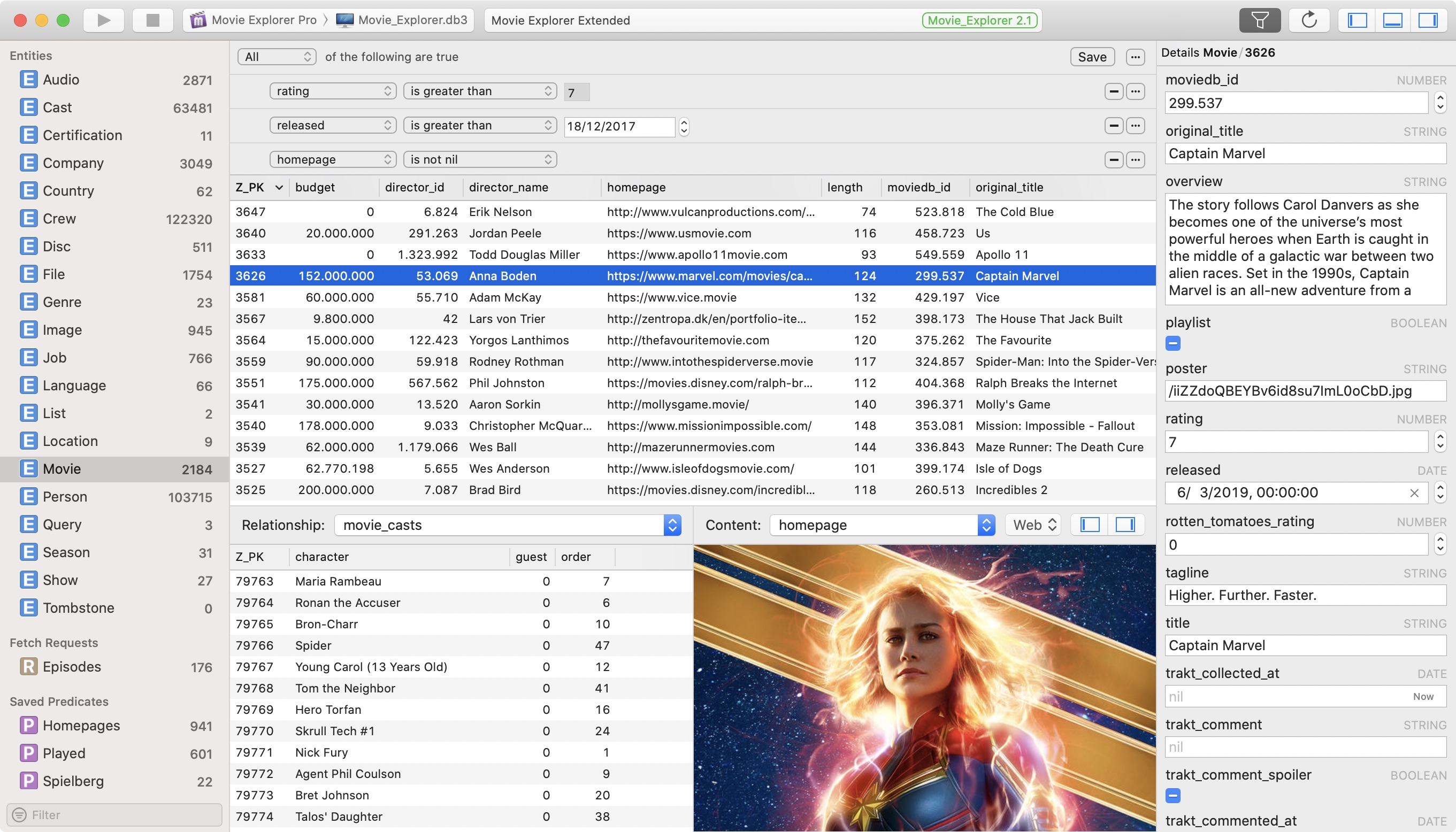
This looks like a great debugging tool if you’re doing some serious CoreData work.
👉 Core Data Lab – View, analyze and track your Core Data app’s data
Core Data Lab offers everything to view and analyze the Core Data database of your app, like a predicate editor, data editor, data change tracker and a built-in web and image content viewer.
An interesting way to speed up your build/run/test cycle on big Swift projects.
👉 Barber: Fast build times for big Swift projects
Why compile your whole app and run the same steps to navigate to it every time you run when you’re just working on a single view controller or a smaller section of your app?
Via iOS Dev Weekly.
This post is just as weird and abstract as it sounds. 🤯 On first pass, I don’t get it. But I’m saving it here because I always like anything that promises easier dependency injection.
We’ll take an exciting look at how the treatment of methods/closures as properties can be used in this context to bypass one of the Swift Compiler’s most annoying compilation errors.
👉 Using Type Erasure to Build a Dependency Injecting Routing Framework in Swift
Type Erasure is the process of abstracting constrained, generic types inside an unconstrained non-generic type that can be passed around freely
Via iOS Dev Weekly.

