The World

How efficient are you at reading this article? 🧐

Here’s an interesting article from the New York Times on how many companies digitally monitor their employees’ time in some pretty invasive and distrustful ways.

This includes taking screenshots and photos randomly in 10-minute chunks and actually docking pay if you don’t appear productive. So every trip to the bathroom is possible lost pay. 🤦🏻‍♂️

And hospice workers being paid by productivity points. 😳 “A visit to the dying: as little as one point.”

And social workers being penalized for not typing on their keyboard while actively counseling patients in drug treatment facilities. 🤨

But the brilliance of this article is how they present it.

To let you appreciate how annoying this kind of digital surveillance is, the article tells you as you read it if you’ve been “idle” for too long. It ends with a summary of your reading efficiency stats, which will inevitably make you feel weird. 😂

Also, I wonder how these companies would feel about the The Ship Repairman Story.
History · The World

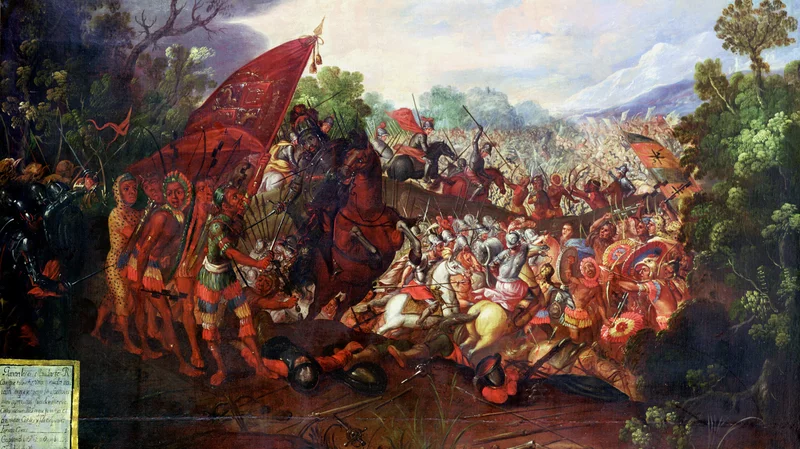
When sh*t got real in Tenochtitlan, aka Mexico City

Nobody tells a great story like Throughline. This podcast gives new twists on old stories, from ancient collapses of civilization to modern controversies. Every story is a slice of history told with a tight narrative and professional production, including deft use of sound effects. This is not some dude blabbing about history.

In their episode about Tenochtitlan, they dive deep into the brutal Spanish conquest of Mexico. They start out describing ancient Aztect capital of Tenochtitlan (aka Mexico City) as an immense ancient metropolis, one of the largest cities in the world at the time (and now). It is full of towering temples, canals, schools, and a Venice-like network of waterways for transport and irrigation and composting. This is a city that smells sweet.

The Aztecs are advanced and powerful, but they can be pretty brutal conquerers themselves and have made plenty of their own local enemies.

Then the Spanish show up. ⚔️ It’s a fascinating and pretty terrifying story.

👉 Tenochtitlan: A Retelling of The Conquest

The World

Trams, cable cars, ferries, and bikes – making transportation cleaner (and more fun)

Since I first discovered the care-free movement years ago, I’ve always been a sucker for ways to get around besides those same old gas-guzzling, traffic-jamming cars.

It just seems like walking, biking, and taking a ride on something are more fun than cars. Mass transit makes the world more beautiful and is better for the planet.

Here’s a great overview of how cities across the world are finding better, electric options for moving lots of people around.

The World

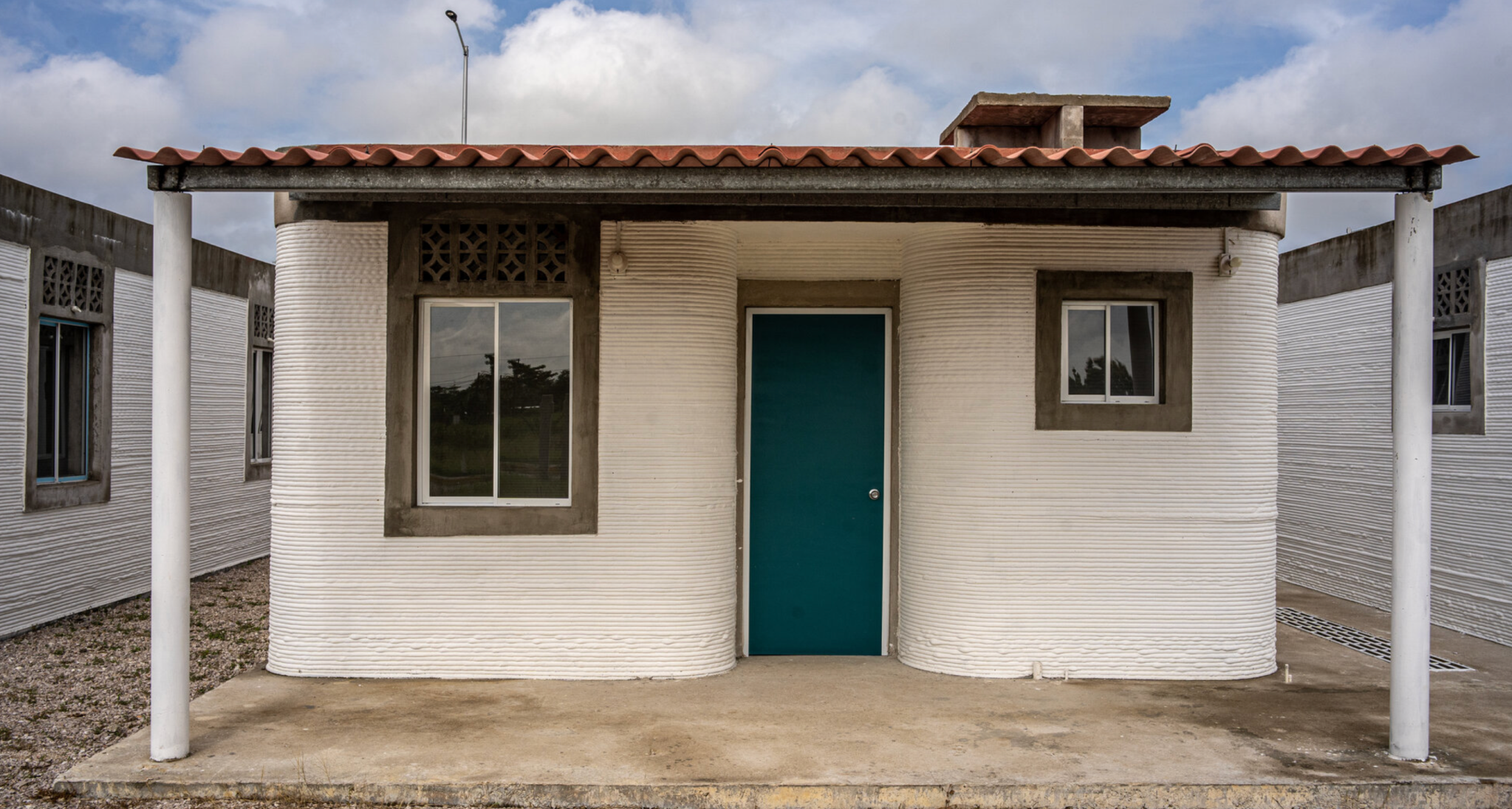
Printing a village, one house at a time 🏡🏠🏡

If you had told me a few years ago that homes would be “printed” at all, much less a full village of them down in Mexico, I would have laughed. But here it is, the strange and sometimes beautiful world of tomorrow.

Sure, these “printed” homes are IKEA-showroom-small at 500 square feet. But they are real homes – and real stylish, with interestingly rounded corners and a traditional terracotta look. These homes are not chintzy at all. They have already survived a magnitude 7.4 earthquake.

The houses are made with a a Vulcan II printer, developed by an Austin-based construction technology company. The building material is called “lavacrete”. The process is controlled by a smartphone. Three people can build a house in less than a day.

When it’s time for me to really downsize and move to Mexico, I want one of these.