This Swift library makes it easy to get diagnostics info such as app metadata, logs, and UserDefaults back from users. It composes an email for them to send to you support team. 🤓✔️
👉 WeTransfer/Diagnostics on GitHub

Via iOS Dev Weekly.
This Swift library makes it easy to get diagnostics info such as app metadata, logs, and UserDefaults back from users. It composes an email for them to send to you support team. 🤓✔️
👉 WeTransfer/Diagnostics on GitHub
Via iOS Dev Weekly.
It’s not yet another networking library.
A minimalist Swift “micro-wrapper” on top of URLSession to handle retries. Remember, these days URLSession is very good, and we may not want to use a full-fledged third-party networking library. Via iOS Dev Weekly.
This is a really helpful Swift best-practices guide. It’s more than a style guide. It’s more of a design guide.
👉 Lickability Swift Best Practices Guide
This even came with a little context in the form of a Medium post. Via iOS Dev Weekly.
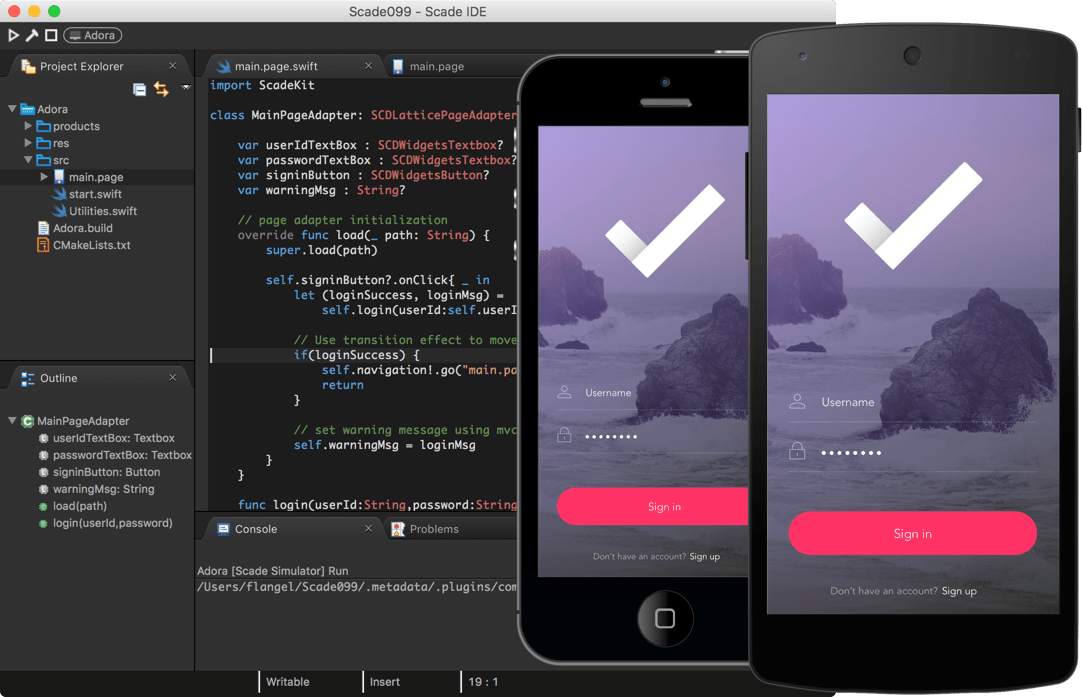
Interesting… here’s a cross-platform Swift IDE for iOS and Android.
👉 Scade
Looks promising if you want to write your app in Swift but have to make an Android app too. Or already have a Swift-based iOS app and need to port to Android.
Great idea: the Swift programming language has a continuous integration system constantly building various versions of Swift against various Mac and Linux platforms. Now that’s good modern software process, and super cool that its publicly visible.
Even better, this continuous integration is continually building third-party projects using the latest versions of Swift to make sure everything is a-okay. This is the Swift Source Compatibility Suite.
And best of all, that page has instructions for adding your own project to the list. That way you can make sure Swift and your project continue to get along fine. 🤗 That’s a win-win.
Via iOS Dev Weekly.
 Mental Break Town