Quotes

“Don’t explain your philosophy. Embody it.”

I love this quote, which I came across in a list of ancient stoic quotes (with some pretty good visuals).

Don’t explain your philosophy. Embody it.

Epicteus

This quote reminds me of a series on Confucius, Buddha, Jesus, and Muhammad.

This series noted the one thing these leaders had in common: sure, they all had interesting ideas, but more importantly, they lived by their ideas. If they had just talked a lot, they would not have had the real-world impact that they had. Their actions were inspiring.

So if you want to be a pretty cool and impactful person, in whatever form that takes, then figure out what you stand for and live it.

I know, I know… that’s easier said than done.

But what else are you going to do that could be any better?

Besides, it’s fun to do stuff, and talking gets old.

Photos · Travel

In the shadow of Cathedral-Basilica of Saint Louis, King of France

Andrew Jackson enters New Orleans in the shadow of Cathedral-Basilica of Saint Louis, King of France to snatch the city from France in 1815. ⚔️

Oh wait, he was actually defending the city from a British invasion. 😆🤷🏻‍♂️

Damn, I love history (and New Orleans).

Side note: this church had officially leveled up to cathedral rank 23 years prior.

#neworleans #nola #jacksonsquare #frenchquarter #history #louisiana #warof1812 #cathedral via Instagram https://instagr.am/p/Cpyc0j_tJc0/

Books · You

Super Summary: Think Like a Monk

I accidentally subscribed to this visual book insights app called Lucid. It promised “Read faster. Remember more.” so I had to try it. 🤷🏻‍♂️

Neglecting to cancel my free trial (oops!), I now have a full year of this service, so I might as well get the most out of it.

So this is my first “super summary” (a summary of the summary) for books I find interesting. You can see if you’re interested in reading the real thing. (audiobook | “book” book).

Think Like a Monk by Jay Shetty

👉 Luckily, we can take some useful lessons from monks without actually being a monk. 😜

The monk mentality

Via Lucid

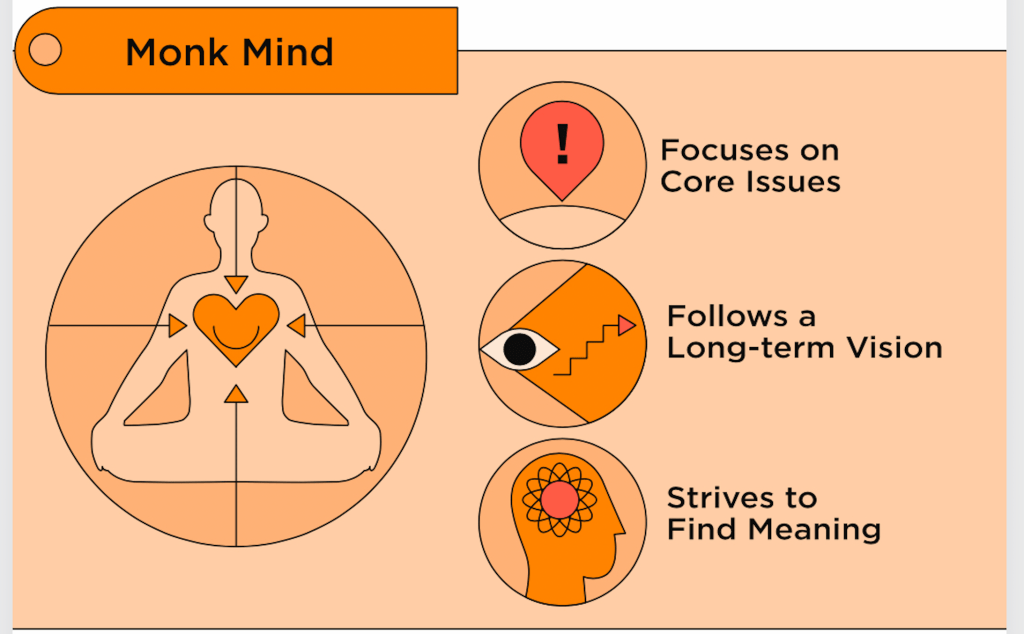
A monk has an inward focus and moves past pain and anxiety, leading to a happier and more meaningful life.

A monk focuses on core issues, long-term vision, and strives to find meaning. This is in contrast to a “monkey” mind, which is distracted, overwhelmed, and focusing on temporary fixes.

Identity and meaning

Via Lucid

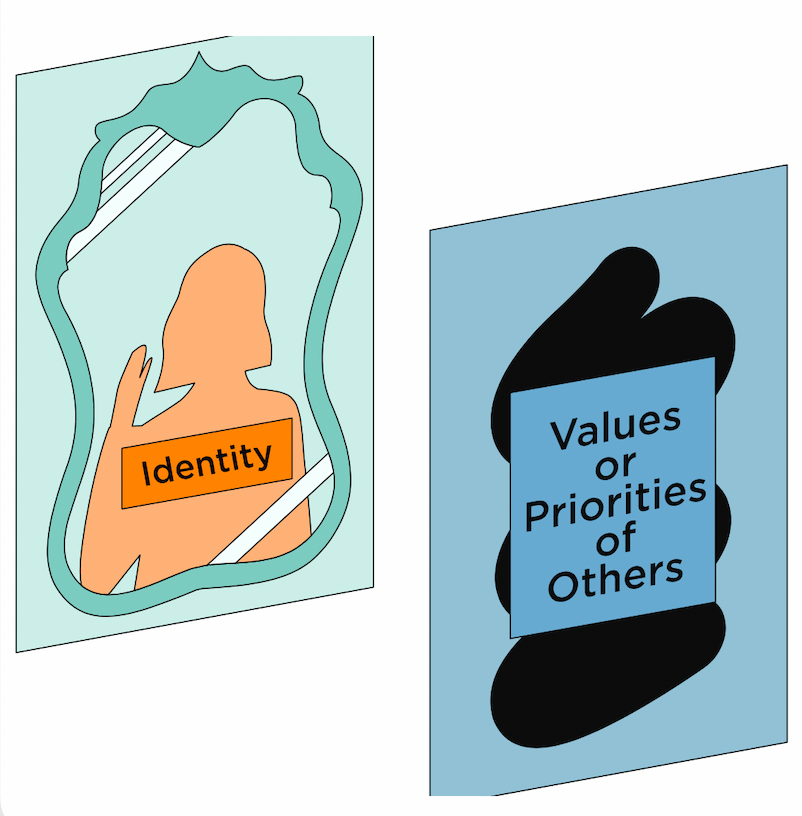
Our core values define who we are and the meaning of our life. Our values should come from within rather than from other people’s influence.

We need to figure out what we’re all about so that we can focus our priorities and goals.

👉 This fits with some things the Savvy Psychologist said about values and meaning.

Dealing with negativity

👉 This section reminds me of the idea that people’s criticism often says more about themselves than the person they are criticizing. 🧐

If you think of others negatively, you think of yourself negatively.

To break this cycle: identity your negative thoughts towards others, stop, and reframe them in a more empathetic, specific, and helpful way.

If you think of others more positively, you think of yourself more positively and make better choices.

Conquering Fear

Via Lucid

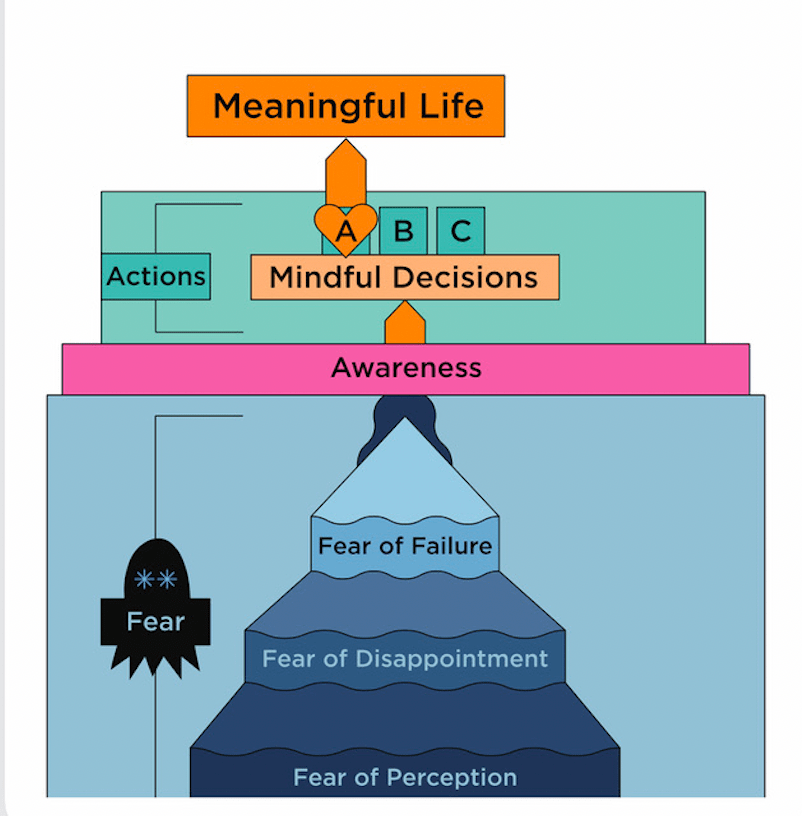
👉 I like this section because I learned a while back that decisions driven by fear generally do not turn out well. 😱

Identify your deepest underlying fears. Acknowledge these fears and embrace them.

Then detach from your fears to make smart, independent, intentional choices.

Positive routines

👉 Despite this book calling for an early morning routine, I’m personally finding a relaxing nighttime routine especially useful. 😴

Wake up early to give yourself time to have a positive boost to your day. Use this time to be grateful, read & learn, meditate, and exercise.

Get to bed early and plan how you will conquer the next day.

The battle in your mind

Via Lucid

👉 I love this section because of the wolf analogy. 🤩

In each of our minds are two wolves battling with each other for control. One wolf is consumed by fear, anger, insecurity, and ego. The other is driven by love, kindness, humility, and positivity.

You can feed one of them (yes the good one!) by giving it your time and energy.

This internal battle is normal, and we should view it as external to us. Use meditation to observe your mind and better understand what might be triggering any negative thoughts.

Reframe negative thoughts in a positive way, changing problems and fears into positive actions.

You

The Secrets to Happiness (Distilled)

I went to this talk by a Buddhist monk about happiness. I’m not a Buddhist, but one thing I like about Buddhism is that it’s more of a philosophy than a religion (from what I’ve seen). There was absolutely no talk of a religious greater power. And no attempt to convert anyone.

The talk was pretty simple, logical, and grounded in reality. It was basically just useful life hacks.

After the talk, I told a classmate, “That all seemed pretty simple.” And he said, “Simple to understand, but really hard to do,” So happiness is like chess in that sense. 🤷🏻‍♂️

Anyways, here’s the quick guide to happiness, according to this class.


Happiness is about a peaceful internal state, i.e. a happy mind.

External rewards (like money, status, etc.) are fine, but they won’t give you lasting happiness. (I know this sounds self-righteous, but it is also self-evident. There’s nothing wrong with being rich, but we all know about rich people who are unhappy and poor people who are happy. 🙃)

To reach an internal peaceful state, act on things you can control and don’t worry about things you can’t control.

If you can do something about it, don’t worry about it.

If you can’t do anything about it, don’t worry about.

Example: Stuck in traffic on the way to a doctor’s appointment? Call your doc and say you’re running late. If they can work you in later, great. If not, reschedule. Then relax and don’t worry about it. And don’t get mad at your fellow drivers. They’re all in the same situation as you.

Also, a happy mind is a clear, uncluttered mind. This is why mediation is so helpful. It is a quick way to clear out the clutter of your mind and reset to a more relaxed and productive state. It’s like cleaning out a cluttered closet.


And that’s it! Simple and hard, just like life.

💁🏻‍♂️ As a side note, it’s funny that this guide to happiness comes from Buddhists, who say that life is suffering. There is something kind of perfect about the people who embrace suffering to be experts on happiness.